Can You Pass A Driving Test How to Pass Driving Tests
Scoring mindset, traffic discipline, and Class A night / skid / precision tips.
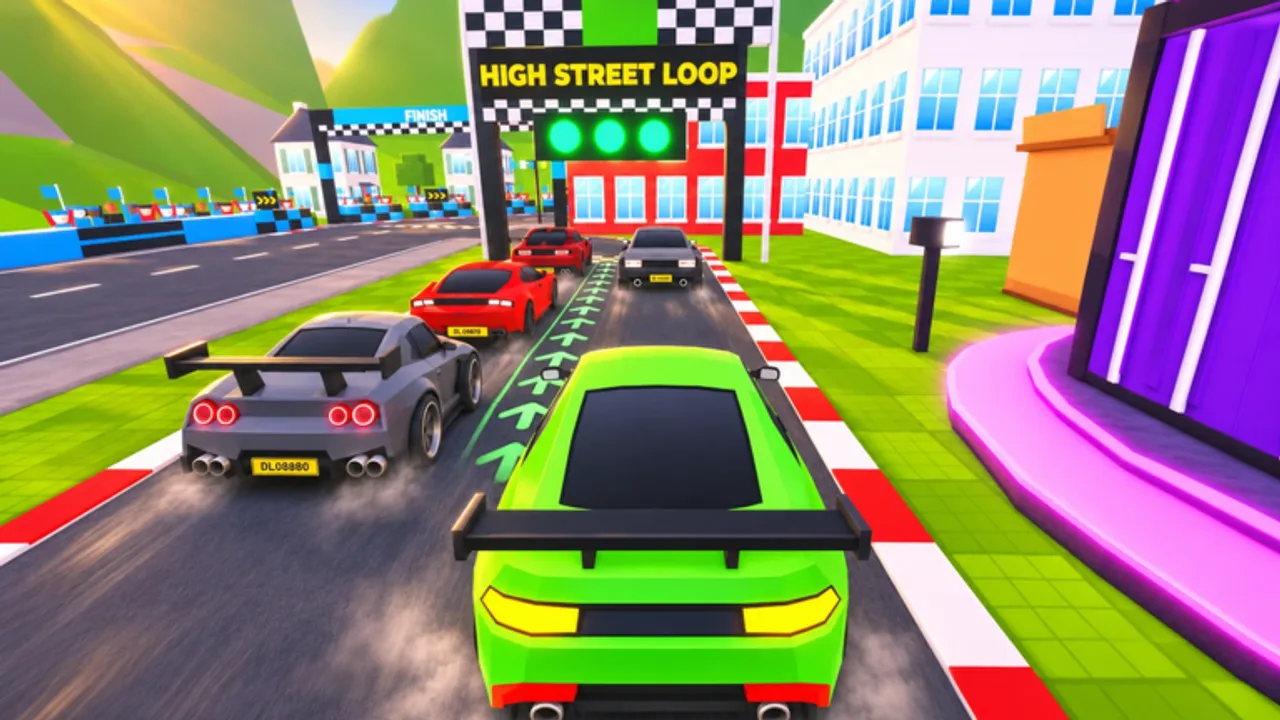
Failing a driving test in Can You Pass A Driving Test? usually means the scoring system caught habits you ignore during free drive. This guide explains how to think like an examiner, how traffic rules translate into points, and how to survive Class A modules—night drive, skid pan, and precision—without rage-selling your sports car. Watch the embedded walkthrough mid-article, then practice the drills below.
Need the ladder context first? Read License Classes. Still on day one? Start with Getting Started.
Scoring mindset
Treat every exam as a points budget, not a race against the world record.
- Smooth inputs preserve points; panic corrections spend them.
- One big collision often hurts more than three tiny hesitations.
- Finishing the route matters, but finishing dirty can still fail you.
- Other players share a 12-person server—leave margins as if everyone will cut the corner.
Before you book, warm up in free drive with the same car you will test in. A dealership flex car you never steered is a common Class A trap.
Traffic rules that keep showing up
While UI text can change, successful drivers consistently respect:
- Speed discipline — match the expected pace; neither crawl forever nor Nitro through a school-zone vibe segment.
- Lane position — center the car; clipping sidewalks looks awful to scoring logic.
- Stops and yields — full stops beat rolling “almost stops.”
- Signals / indication habits — when the route implies turns, communicate early (custom signal cosmetics from the Interiors update are optional flair, not a substitute for legal driving).
- Collision avoidance — NPCs, players, and props all count when you bounce off them.
If you fail, write down the first mistake that snowballed. Most retries improve once you fix a single root cause.
Class D and Class C exams
Class D proves basics for basic cars. Drive like a careful learner: wide vision, gentle brakes, minimal boost.
Class C expects tighter flow with better drivers’ cars. You can carry a bit more pace, but the examiner energy stays. Use this tier to practice Nitro discipline—boost on clear straights only.
Class B exams
Class B unlocks muscle, trucks, and fast family vehicles. Longer vehicles and heavier noses change turn-in. Practice:
- Earlier braking points
- Wider swing on corners when towing-style handling applies later in jobs
- Not treating a truck like a go-kart during precision moments
Job practice with trailers after you pass helps cement the same spatial awareness—see Money Farming.
Class A — night drive, skid pan, precision
Class A is the skill wall. Sports cars are faster and less forgiving, and the modules intentionally stress vision and control.
Night drive tips
- Lower visual clutter: simplify dash charms if they glare.
- Rely on headlights and road edges more than distant scenery.
- Reduce speed before corners you cannot fully see.
- Avoid staring at other players’ neon; track your lane markers.
Skid pan tips
- Small steering > big swings.
- If the rear steps out, lift gently, catch the slide, then reapply throttle.
- Do not hammer Nitro mid-slide unless you are correcting a specific straight recovery you have practiced.
- Flip Car is for rollovers—not a replacement for learning countersteer feel. Review Controls.
Precision tips
- Creep when cones or gates tighten.
- Use the hood / windshield center as an alignment tool.
- Pause rather than clip—time pressure is real, but a cone hit can be worse.
- If you nudge a marker, stabilize before the next gate instead of rushing the mistake.
Class S and Master prep
Class S expands supercar access; exams still care about control at higher speeds. Master additionally cares about Driving Score and a fee—not just owning a hypercar. Clean test history and tidy job routes help more than a single lucky pass. Track goals on the Players Hub.
Practice drills (10 minutes)
- Stop drill — ten full stops from city speed without nose dive chaos.
- Lane drill — hold center for two minutes without curb kisses.
- Night confidence — one careful free-drive loop after dark lighting if available.
- Skid recovery — induce a mild slide in a safe area and catch it twice.
- Precision crawl — weave tight objects slowly until it feels boring (boring is good).
Car choice for hard tests
Pick the most predictable sports or class-appropriate car you own, not the rarest numbered flex from crates. Ranked ideas: Best Cars. Save race monsters for Street Races.
What to do after repeated fails
| Symptom | Likely fix |
|---|---|
| Always clip corners | Slower entry, earlier turn-in |
| Night module blindness | Headlight focus, lower speed, less HUD clutter |
| Skid pan spins | Less throttle, smaller wheel |
| Precision cone hits | Crawl speed, center reference |
| Panic after crash | Flip, breathe, continue—do not mash Nitro |
Optional automation like Auto Book Test appears in some scripts, but scripts cannot teach skid pan feel and may risk the account you are grinding score on.
Related pages
Passing is a skill you can farm. Book the test when you are calm, drive the boring line, and treat Class A modules as practice arenas you will revisit until they feel routine. That is how Class S—and eventually Master—stops looking impossible.
Frequently Asked Questions
Quick answers about licenses, cars, jobs, races, and codes.
Why do I keep failing Class A?
Night drive, skid pan, and precision punish speed and big steering. Slow down, practice recovery, and use a predictable sports car.
Should I Nitro during the test?
Only on clear, appropriate segments. Reckless boosting is a common way to lose a near-passing run.
Does Driving Score matter before Master?
Clean driving helps long-term. Master specifically needs Class S, Driving Score, and a fee—start building habits early.
Can scripts pass tests for me?
Some hubs offer Auto Book Test, but they are risky and may still fail modules. Learning manual control is the reliable path.